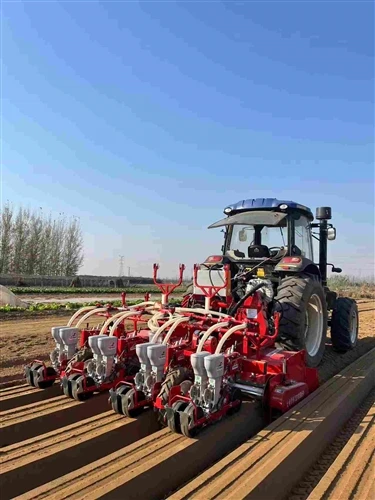
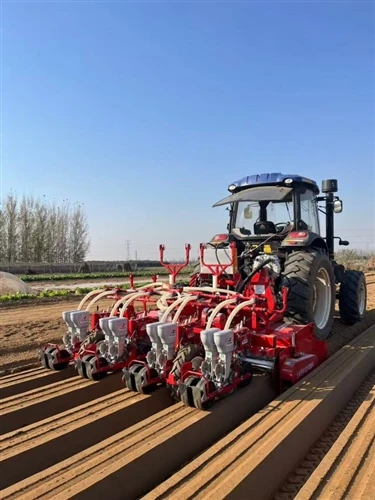
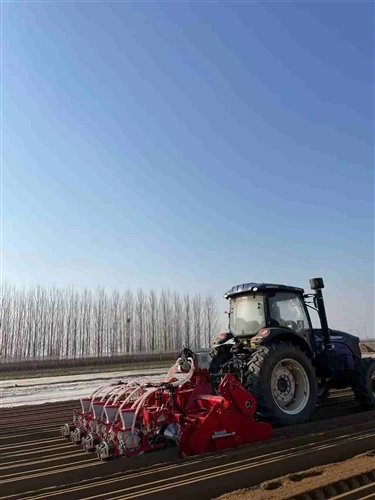
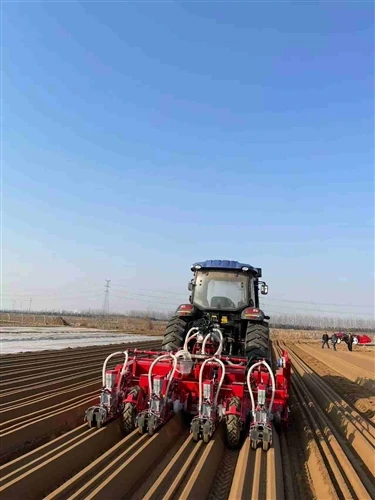
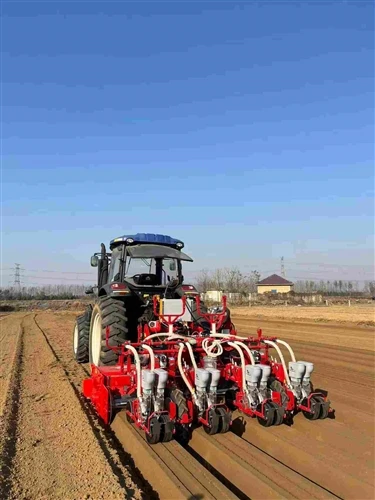
Growers often invest heavily in a high-quality air-suction vegetable seeder and then overlook the one factor that can undermine its performance more than any other: soil preparation. Even a machine with perfect vacuum settings and the correct seed plate cannot achieve consistent results in poorly prepared soil.
The first requirement is a level surface. An air-suction vegetable seeder is designed to maintain a constant seeding depth, but this depends on the field surface being relatively even. If the field has deep ruts, ridges, or depressions, the machine will follow the surface contours, placing some seeds too deep and others too shallow. For carrot growers using an air-suction carrot planter, depth inconsistency leads to uneven germination and misshapen roots.

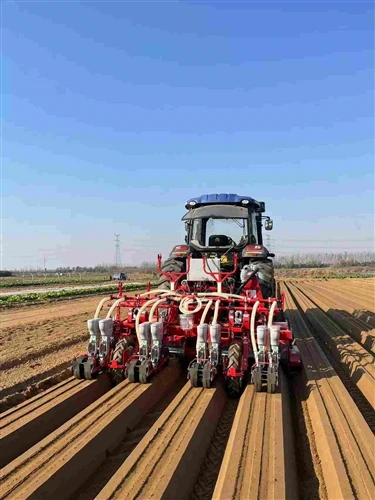

The second requirement is proper tillage. The soil should be loose enough for the seed furrow to open cleanly and for the seed to make good contact with the soil. Clods and compacted layers interfere with the furrow opener and can cause seeds to sit in air pockets rather than in firm soil. A pneumatic onion planter working in poorly tilled soil may produce gaps in the row where seeds failed to germinate.
The third requirement is residue management. Crop residue from the previous season can block the furrow opener or interfere with seed placement. While some residue is beneficial for soil health, excessive residue creates problems for any vegetable seeder. Growers should manage residue through chopping, incorporation, or removal before planting.

The fourth requirement is moisture. Seeds need adequate moisture to germinate, but too much moisture can cause the furrow opener to smear the soil and create a hard crust. An air-suction vegetable seeder operating in excessively wet conditions may produce poor results regardless of how well the machine is configured. Growers should wait for appropriate soil moisture before planting.
The fifth requirement is field leveling after planting. Some pneumatic vegetable planters include a soil compaction or leveling attachment that covers the seed and firms the soil. This helps retain moisture and improves seed-to-soil contact. If the field is not properly leveled after planting, emergence may be uneven.
For farmers using an air-suction onion planter or other precision seeding equipment, the message is clear: the machine is only one part of the system. Field preparation is equally important. A well-prepared field allows the air-suction vegetable seeder to perform at its designed precision, while a poorly prepared field will produce disappointing results no matter how carefully the machine is set up.
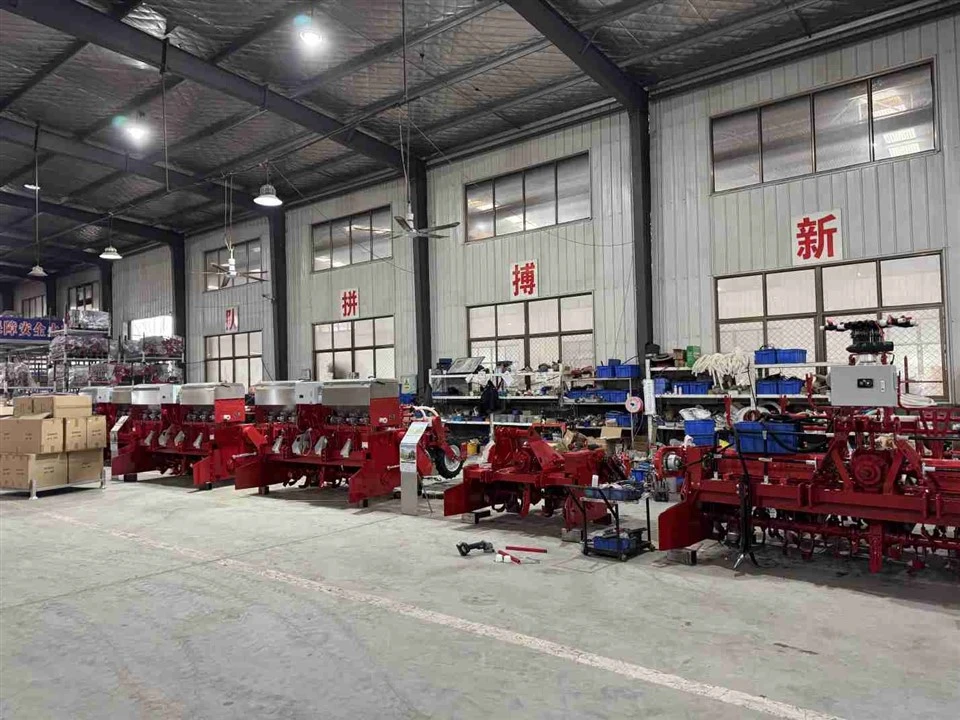

Growers should plan their field preparation as carefully as they plan their machine configuration. By ensuring a level surface, proper tillage, managed residue, appropriate moisture, and good post-planting leveling, they create the conditions that allow modern air-suction vegetable seeders to deliver the consistent, high-quality results that precision seeding technology promises.