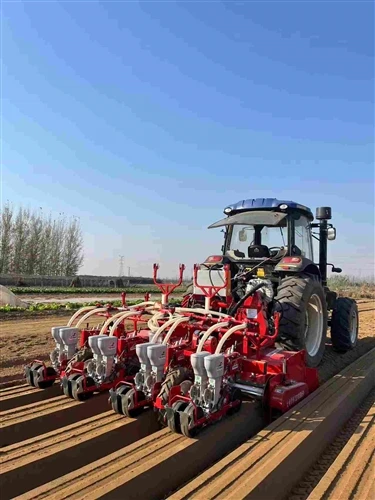
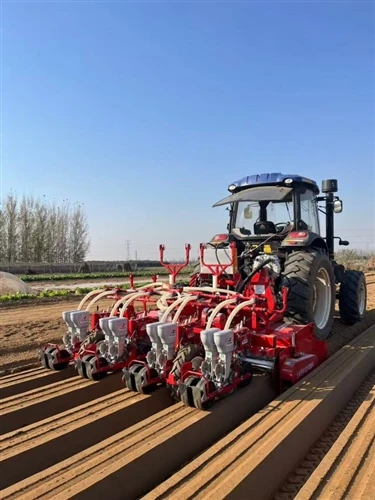
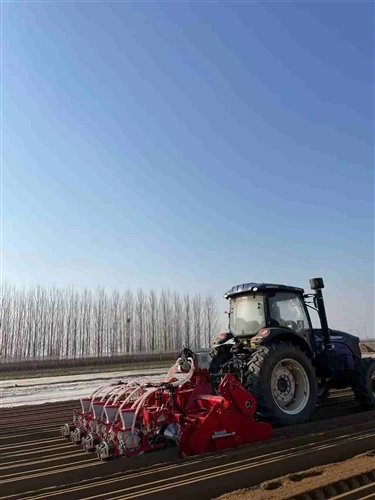
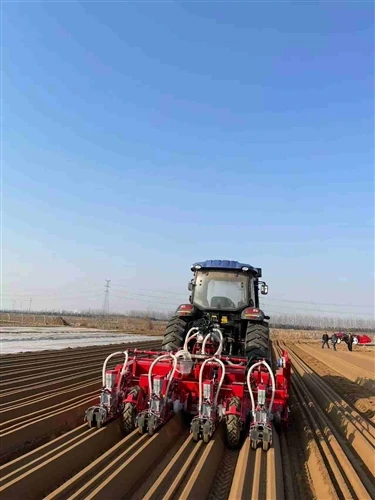
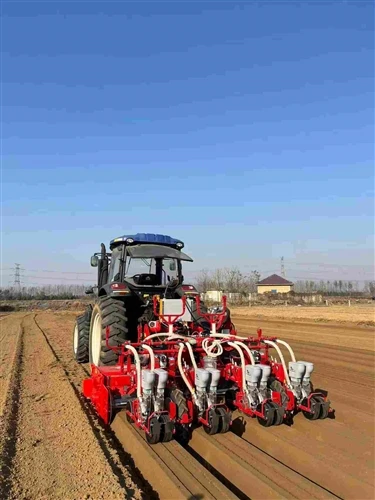
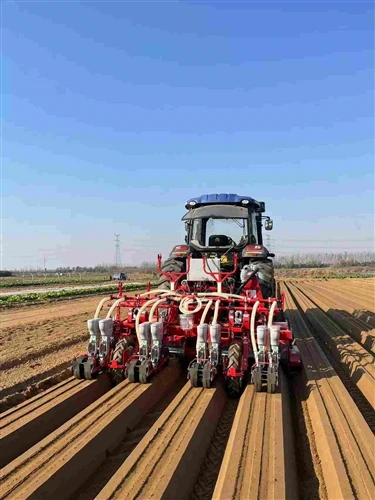
Even experienced growers can make mistakes when setting up an air-suction vegetable seeder. Small errors in configuration can lead to skipped seeds, double seeding, or uneven emergence-problems that only become visible weeks later when the crop fails to meet expectations. Avoiding these five common mistakes helps ensure that the machine performs at its best from the first pass.
The first mistake is using the wrong seed plate. Every seed type has a specific size and shape, and the seed plate must match. A pneumatic onion planter needs a plate with very small micro-pores, while an air-suction carrot planter needs a plate with slightly larger pores. Using an onion plate for carrot seed, or vice versa, will result in poor pickup and inconsistent placement. Growers should always confirm that the plate matches the seed lot before heading to the field.


The second mistake is setting vacuum pressure incorrectly. Too much vacuum causes multiple seeds to attach to a single pore. Too little vacuum causes missed seeds. The correct pressure depends on seed size, weight, and surface texture. Coated seeds may need different settings than raw seeds. A vegetable seeder operator should test the machine with actual seed and adjust pressure until each pore holds exactly one seed.
The third mistake is ignoring seed cleanliness. Dust, broken seeds, and foreign material can clog suction holes and disrupt the metering process. An air-suction vegetable seeder that runs with dirty seed will gradually lose accuracy as the session progresses. Growers should clean seed before filling the hopper and check the seed disc periodically during operation.
The fourth mistake is operating at the wrong speed. Traveling too fast reduces the time available for seeds to attach to the pores, leading to skipped seeds. Traveling too slowly may reduce overall productivity without improving accuracy. The optimal speed depends on seed type, field conditions, and machine configuration. Operators should test at the actual field speed they plan to use.

The fifth mistake is neglecting field preparation. Even the best pneumatic vegetable planter cannot compensate for poorly prepared soil. Uneven surfaces, clods, and excessive residue can cause inconsistent depth and poor seed-to-soil contact. Growers should ensure that fields are properly tilled and leveled before planting.
For farmers using an air-suction onion planter or air-suction carrot planter, these five mistakes are easy to avoid with proper preparation and testing. The key is to treat the machine and the seed as one system. By selecting the right plate, setting the correct vacuum pressure, cleaning the seed, operating at the proper speed, and preparing the field, growers can achieve the precision results that modern vacuum seeding technology is designed to deliver.