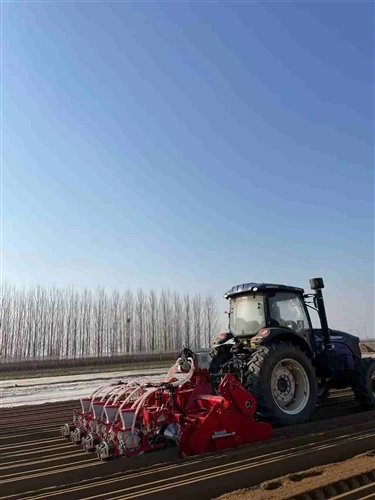
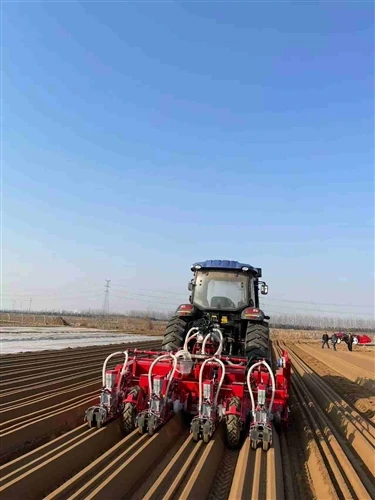
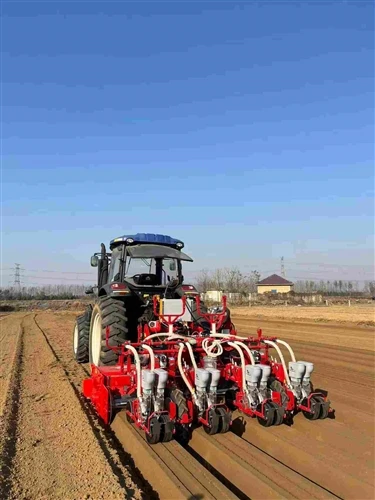
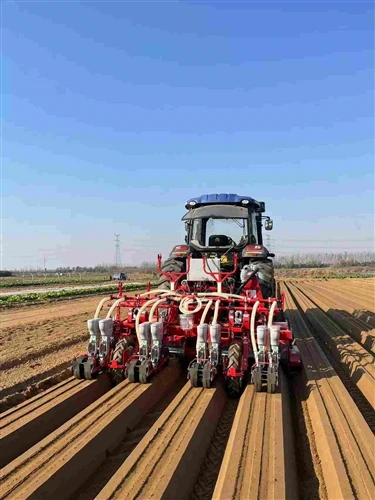
For farms still using older mechanical seeders or manual planting methods, the question is not whether an air-suction vegetable seeder works. The technology is well established and widely proven. The real question is whether the investment makes economic sense. For most commercial vegetable operations, the answer is yes-and the payback period is often shorter than expected.
The first source of savings is seed. Hybrid vegetable seeds are expensive, and many are imported. Mechanical seeders waste seed because they cannot reliably place one seed at a time. A pneumatic onion planter using vacuum suction achieves a single-seed placement rate exceeding 97 percent, ensuring "one seed per hole." For a farm planting dozens of hectares of onions, the seed savings alone can be substantial.

The second source of savings is labor. Traditional vegetable planting often requires multiple passes: one for tilling, one for ridge formation, one for drip tape installation, and one for seeding. A modern vegetable seeder integrates all of these operations into a single pass. This reduces tractor hours, fuel consumption, and the number of workers needed during the planting window. For farms facing labor shortages, this integration alone can justify the investment.
The third source of savings is thinning and transplanting. Mechanical seeders and broadcasting methods produce overcrowded seedlings that must be manually separated, or gaps that must be filled with transplants. An air-suction carrot planter that places seeds at precise intervals eliminates most of this follow-up work. The crop emerges uniformly and requires less manual intervention throughout the season.


The fourth benefit is crop quality. Uniform plant stands lead to uniform crop development. Onions grow to consistent size. Carrots grow straight and uniform. Lettuce heads mature at the same time. Buyers prefer uniform crops, and uniform crops command better prices. A pneumatic vegetable planter that achieves precise spacing and depth helps growers meet buyer expectations more consistently.
The fifth benefit is risk reduction. Older mechanical seeders are prone to breakdowns during the planting season, when every hour counts. Modern air-suction vegetable seeders are designed for low failure rates, with few complex mechanical parts subject to wear. Key components such as seed discs, seals, and vacuum hoses are easy to replace, and dealers typically stock these wear-and-tear parts.
Our company, which holds 40 national patents related to pneumatic seeder technology, has exported air-suction vegetable seeders to Canada, Russia, Australia, and Central Asia. Customers in these markets report that the machines deliver reliable performance and rapid return on investment.
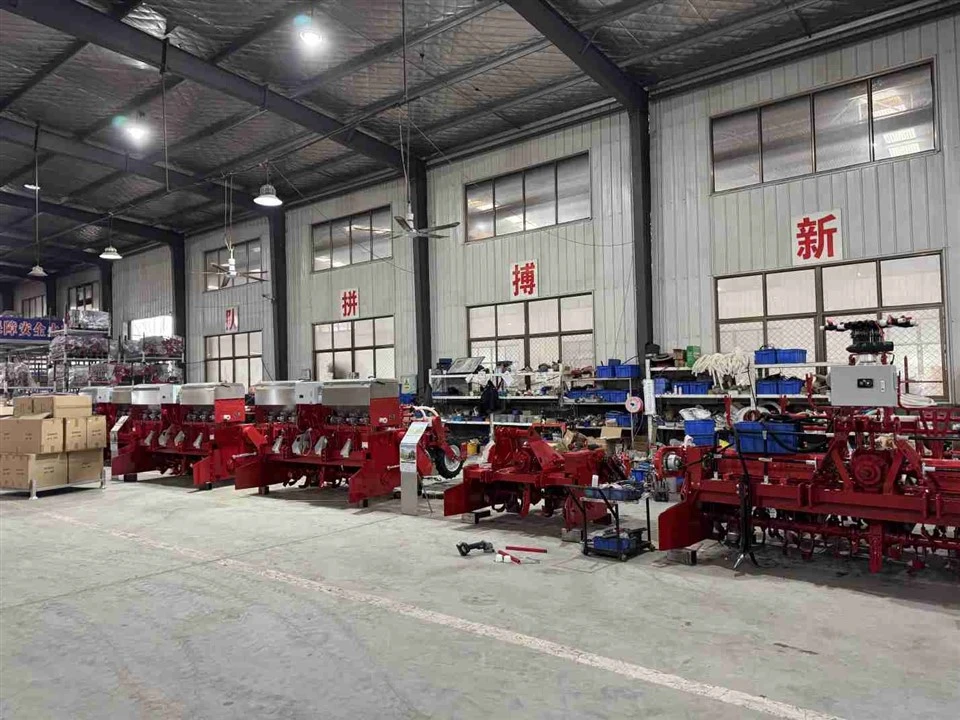
For agricultural machinery wholesalers, the economic case is equally clear. Farmers who understand the long-term savings from precision seeding are more likely to invest in higher-quality equipment. A vegetable seeder that saves seeds, reduces labor, and improves crop uniformity is an easy product to recommend, because the return on investment is visible within the first or second season.
Industry observers note that as vegetable farming scales up and the labor supply tightens, machinery that combines high precision with multifunctional efficiency will become central to sustainable, intensive production. For commercial vegetable farms and contract growers, the air-suction vegetable seeder is not just an incremental improvement-it is a fundamental shift in how vegetable crops are grown and managed.