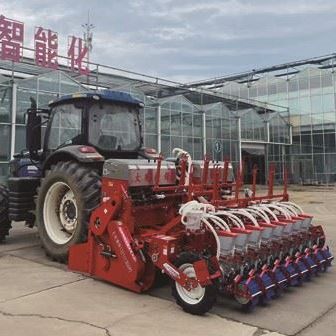
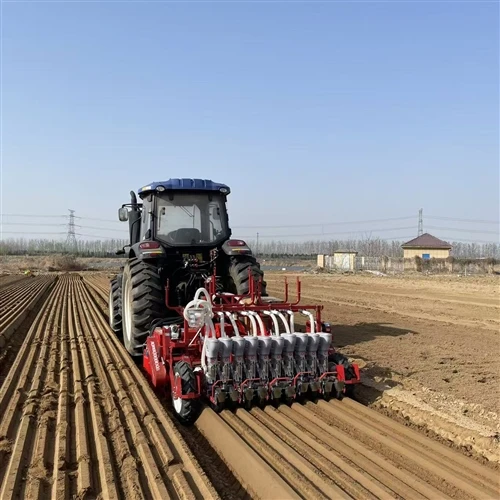
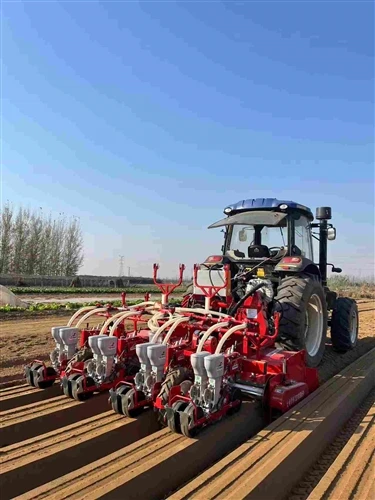
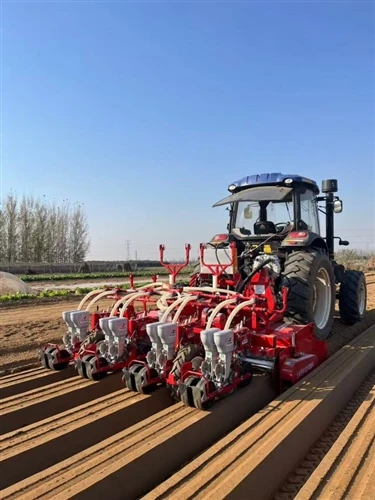
The vacuum system is the component that gives the air-suction vegetable seeder its name and its precision. Without a stable, controllable vacuum, even the best-designed seed plate cannot achieve consistent single-seed placement. Understanding how the vacuum system works helps growers diagnose problems, optimize settings, and get the most from their equipment.
The vacuum system consists of three main parts: the fan, the vacuum chamber, and the pressure regulator. The fan creates negative pressure by pulling air out of the chamber. The chamber is connected to the seed metering unit, where the vacuum holds seeds against the micro-pores of the rotating seed disc. The pressure regulator allows the operator to adjust the strength of the vacuum to match the seed being planted.


The fan is the power source of the system. On most pneumatic vegetable planters, the fan is driven by the tractor's hydraulic system or by a separate engine. The fan must be powerful enough to maintain stable vacuum pressure even when the seed hopper is full and the machine is operating at field speed. A weak fan will cause inconsistent seed pickup, especially for heavier seeds.
The vacuum chamber is where the magic happens. It must be sealed tightly to maintain pressure. Leaks in the chamber, hoses, or seals will reduce vacuum strength and cause missed seeds. Growers should inspect the chamber and hoses regularly for cracks, loose connections, or worn seals. A vegetable seeder with a leaking vacuum system will never achieve its rated precision.

The pressure regulator is the control point. It allows the operator to increase or decrease vacuum pressure to match different seeds. A pneumatic onion planter handling tiny onion seeds needs lower pressure than an air-suction carrot planter handling larger carrot seeds. The regulator should be easy to adjust and should hold its setting reliably during operation.
Modern air-suction vegetable seeders often include a vacuum gauge that shows the exact pressure level. This allows the operator to monitor the system and detect problems quickly. If the gauge shows a sudden drop in pressure, it may indicate a leak, a blocked hose, or a fan problem. Early detection prevents poor planting results.
The vacuum system also interacts with the seed plate. The size of the micro-pores, the thickness of the plate, and the surface finish all affect how much vacuum is needed to hold a seed. A vegetable seeder operator should test the machine with actual seed and adjust pressure until each pore holds exactly one seed.

For farmers using an air-suction onion planter or air-suction carrot planter, understanding the vacuum system is essential for troubleshooting and optimization. By maintaining a tight system, monitoring pressure, and adjusting settings for each seed type, growers can achieve the precision that modern vacuum seeding technology is designed to deliver. The vacuum system may be simple in principle, but it is the heart of every air-suction vegetable seeder.