

Agricultural technology continues to evolve rapidly, and pneumatic seeding systems have emerged as a transformative tool for commercial vegetable growers. As farms face pressure to improve efficiency while reducing costs, air-suction precision seeders are becoming essential in specialty crop production.
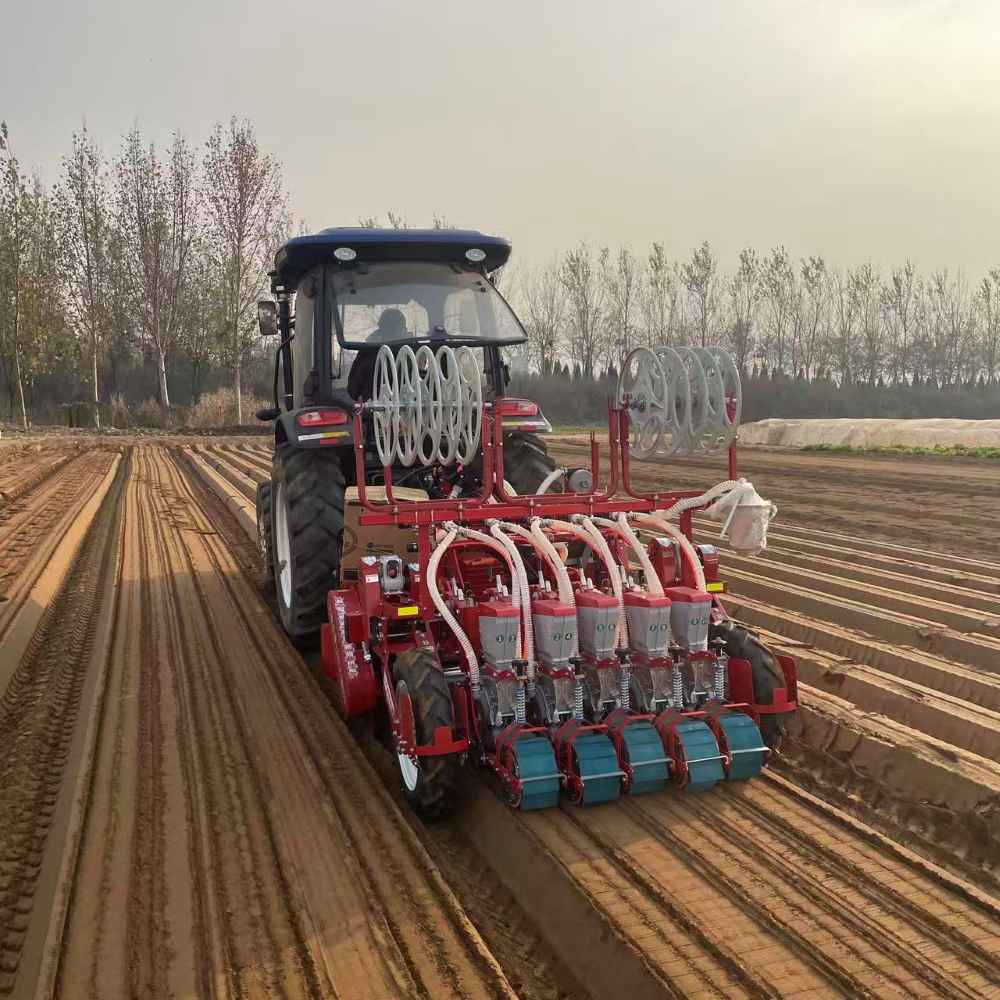
The latest generation of pneumatic vegetable seeders combines engineering innovation with practical agronomic understanding. At the core lies a negative-pressure metering system that fundamentally changes how small vegetable seeds are planted. Unlike mechanical seeders that rely on physical contact, pneumatic systems use vacuum pressure to gently lift and transport individual seeds, dramatically reducing damage that compromises germination.
Engineering Precision for Small Seeds
Vegetable seeds present unique challenges for mechanized planting. Their small size and delicate structures demand precision that conventional equipment often cannot provide. Pneumatic seeders address these challenges with a rotating seed disc featuring precisely sized micro-pores operating under controlled vacuum pressure. As the disc rotates, seeds are drawn onto the pores, with excess removed by a scraper, leaving one seed per pore.
This delivers several advantages. Singulation rates consistently exceed 98 percent across a wide range of vegetable species-from diminutive onion and carrot seeds to larger beetroot and lettuce seeds. Eliminating missed or double seeding translates to uniform crop stands, reduced seed waste, and more predictable harvest outcomes.
Operational Efficiency in the Field
Beyond metering, modern pneumatic seeders integrate multiple functions into a single pass: rotary tillage, bed shaping, drip irrigation tape laying, precision sowing, and soil compaction. This reduces field passes, lowering fuel consumption, labor hours, and soil compaction.
Field data underscores these benefits. Commercial operations report pneumatic seeders cover substantial acreage while maintaining exceptional consistency in seed depth and spacing-critical for vegetable crops where uniform emergence directly influences marketable yield.
Adaptability Across Crop Types
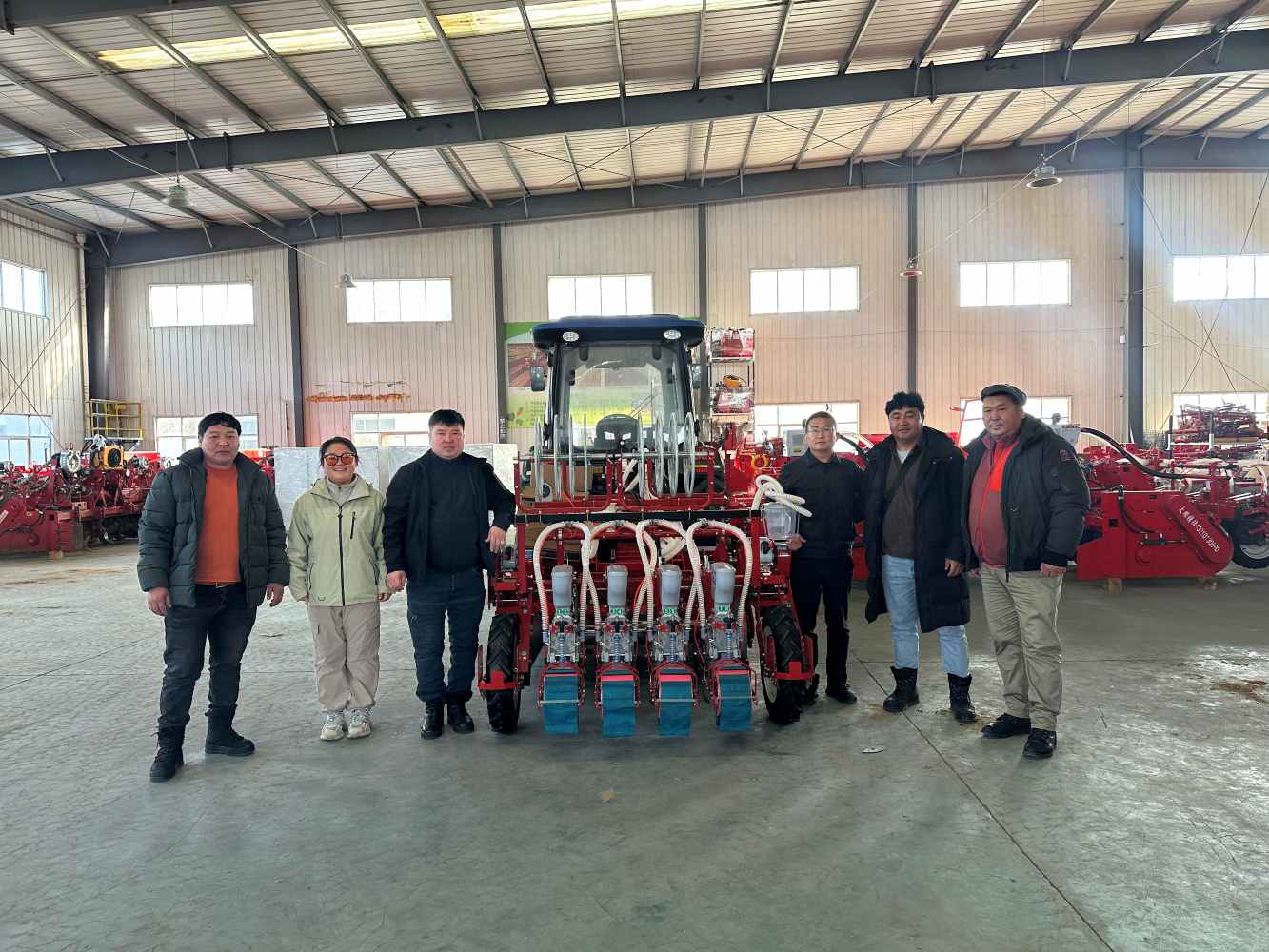
A key strength is adaptability. By changing the seed disc and adjusting vacuum settings, a single machine can switch between vegetable species within minutes. This flexibility benefits growers who diversify production or custom planting contractors serving varied clients.
The technology proves effective for onions, carrots, beetroot, lettuce, Chinese cabbage, radish, and herbs. Optimal vacuum pressure settings have been established through extensive field testing, allowing quick configuration for peak performance.
Market Momentum
Industry observers note growing adoption of pneumatic seeders worldwide. Markets in North America, Europe, Australia, and parts of Asia have seen increased uptake, driven by labor shortages and expanding commercial farms. Manufacturers are responding with innovations including real-time monitoring and integration with precision agriculture platforms.
Looking ahead, the trajectory appears upward. As sensor technology becomes more affordable, next-generation seeders will likely incorporate automated adjustments optimizing performance based on soil conditions and seed characteristics.
For commercial growers, wholesalers, and contractors, pneumatic seeding technology represents not merely an equipment choice but a strategic investment in productivity. As global demand for fresh vegetables rises, the ability to establish crops precisely and efficiently will define successful vegetable production.
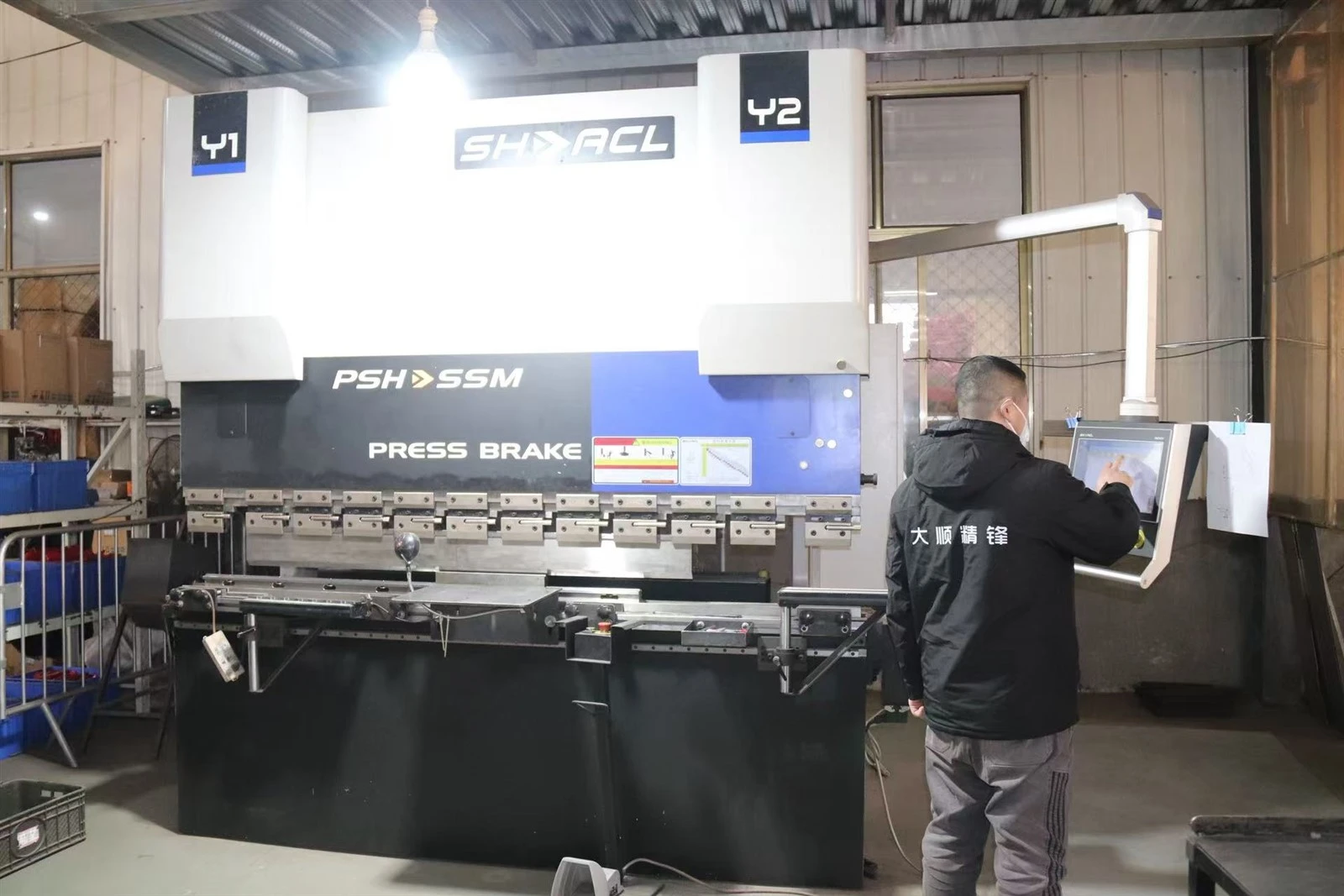
The shipment of advanced pneumatic seeders to markets worldwide signals an industry shift-where precision, efficiency, and crop quality are no longer aspirations but standards.


