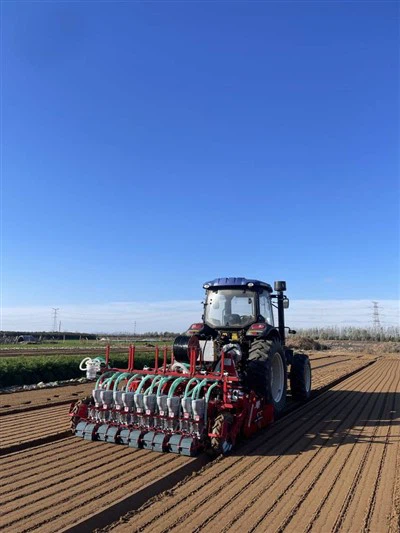
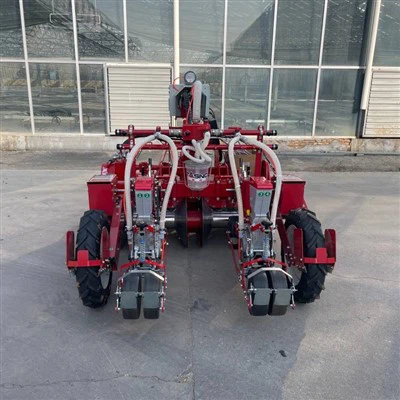
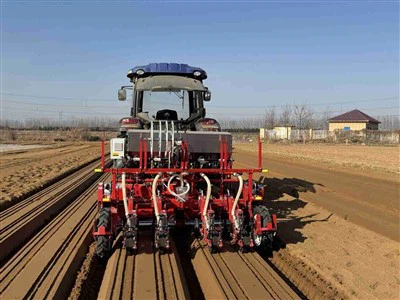
1. Seeder Adjustment
Adjust various parameters of the seeder according to the type of vegetable seeds and sowing requirements. For example, adjust the rotation speed of the seed tray to control the sowing density; adjust the depth of the furrow opener to ensure that the seeds are sown at the appropriate depth; adjust the thickness of the covering agent to ensure that the seeds are properly covered. During the adjustment process, a small amount of trial sowing can be performed first to observe the sowing effect and make further adjustments based on the actual situation.
2. Adding Seeds
Slowly add the prepared seeds into the seed box of the seeder, being careful not to overfill it to avoid overflow. Avoid introducing impurities during the seed addition process.
3. Starting the Seeder
Start the seeder's engine and allow the machine to warm up for a period of time to ensure normal operation. Then, slowly move the seeder to the starting position of the sowing site and begin sowing. During the sowing process, maintain a constant speed for the seeder to avoid affecting the sowing quality if the speed is too fast or too slow.
4. Observing Sowing Progress
During the sowing process, the operator should constantly observe the operation of the seeder. Carefully observe the seed dispensing process, noting any missed or double-sown seeds; observe the effectiveness of furrowing and soil covering to ensure they meet requirements. If any problems are found, stop the seeder immediately for inspection and adjustment.