Pneumatic Precision Seeder vs. Traditional Vegetable Seeding
Vegetable planting is becoming increasingly mechanized as farms face higher labor costs and growing demand for efficient production. Among modern planting technologies, pneumatic precision seeding has become an important solution for crops such as onions, carrots, radishes, spinach and sugar beets.
But what makes pneumatic precision seeders different from traditional seeding methods?
Traditional Seeding Methods
Traditional vegetable seeding may involve broadcasting, manual sowing or conventional mechanical seeders.
These methods can work for certain crops and field conditions, but they may also result in:

• Uneven seed spacing
• Higher seed consumption
• More manual labor
• Additional thinning work
• Inconsistent crop emergence
For large-scale vegetable farms, these factors can increase overall production costs.
How Pneumatic Seeding Works
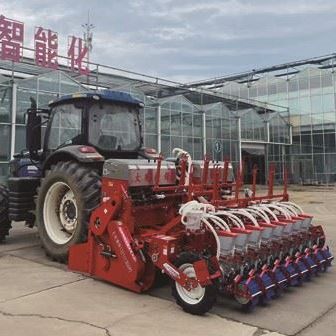
A pneumatic precision seeder uses vacuum suction technology to pick up seeds from the seed hopper.
The seed plate rotates at a controlled speed while vacuum pressure holds individual seeds on the suction holes. As the seed plate reaches the release position, the seed is released into the prepared furrow.
This process allows seeds to be placed at relatively consistent intervals.

Key Advantages
1. More Precise Seed Placement
The vacuum system helps control individual seed pickup and placement.
2. Adjustable Plant Spacing
Plant spacing can be adjusted according to crop requirements and farming practices.
3. Reduced Seed Waste
Accurate seed placement can help reduce unnecessary overlapping or excessive seed use.
4. Higher Planting Efficiency
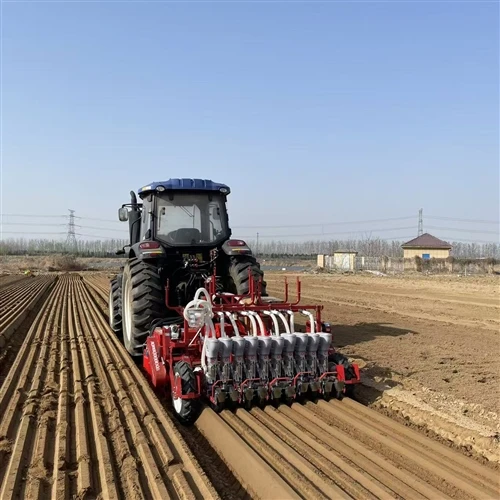
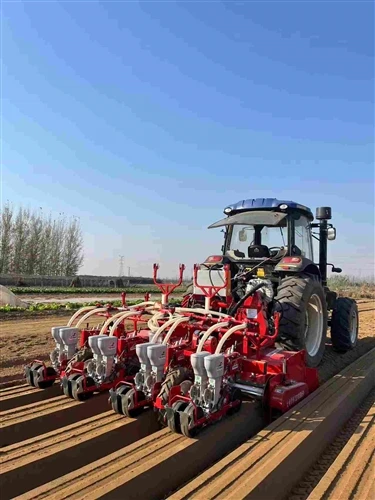
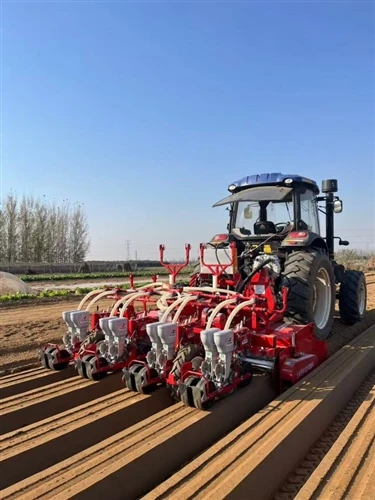
Multi-row configurations allow farmers to cover more field area in less time.
5. Reduced Dependence on Manual Labor
Mechanized precision seeding can reduce the amount of manual work required during planting.
Which Crops Are Suitable?
Pneumatic precision seeders are widely used for many small and medium-sized vegetable seeds, including:
Onion | Carrot | Radish | Spinach | Celery | Cabbage | Sugar Beet
The appropriate seed plate and machine configuration should be selected according to seed size, shape and planting requirements.
Conclusion
Pneumatic precision seeding represents an important development in modern vegetable farming. By combining vacuum technology, adjustable spacing and multi-row configurations, precision seeders provide farmers with a more controlled and efficient method of establishing vegetable crops.